Free Inquiry Post 4
Why Certain Things Were Captured Part One –
It is important to remember when looking at pictures and art of history that there is always a story behind them; and that story is most of the time depicted but the winner of the story not by the loser. I am sure you have heard of the saying “A picture is worth a thousand words.” While this is true, it is important to remember that there are always two sides to every story.
There are many types of ways art and photographs have been used and preserved, below is a list of ways: Take a minute to think about how things may have looked different if certain roles were reversed or if there were different ways we could have known more information then there was.
- Paintings and Portraits: The Elite’s Privilege. During the time of hierarchies, paintings and portraits were only made for and of the elite in societies. What does this mean for everyday common people of the time?
- Sketches and Illustrations: Which means imperfect recollections, the human hand and eyes are not capable of making perfect sketches and illustrations
- Photographs: The access to cameras and the areas in which people can take photos has come a long way, but what about the people who did not have access to cameras?
- Videography: Videography is a newer form of art and it bears a similar argument to photography, who would have had access to it? How does that affect how we see old shows and videos?
- And More!
There are always going to be lost landscapes, forgotten faces, and ancient civilizations that we will never get to learn about or know what their era looked like, but take some time to think about how future civilizations will see us now, and what types of stories will they learn about? How does what is in the media now affect the future and their understanding of us?
This is a great way to teach students about the past and future which implements curricular competency’s for English (L.A) and Social Studies. It also has students think about their digital footprints and the safety and risks they take by using social media. It might also help them think about what is going on in the world around them right now and how that can affect their future.
Take a final moment to think about all the time you have not seen a person in a photograph, now I want you to think about this quote:
“To the complaint, ‘There are no people in these photographs,’ I respond, ‘There are always two people: the photographer and the viewer.” – Ansel Adams
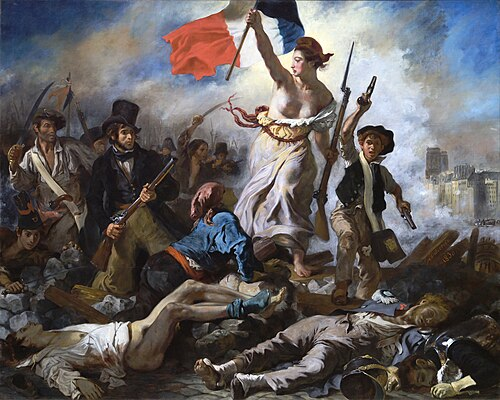
“Liberty Leading the People” by the French artist Eugène Delacroix