Free Inquiry Post 5
Why certain things were captured: Part Two
Now that we have introduced in the last post about how there are always stories to photos and art, we are going to dive into learning more about the photos that were taken and the time that surrounds them.
This week we are looking at why and what certain things were captured.
Take a look at this image below and take a second to think about what the image is.
Image 1:
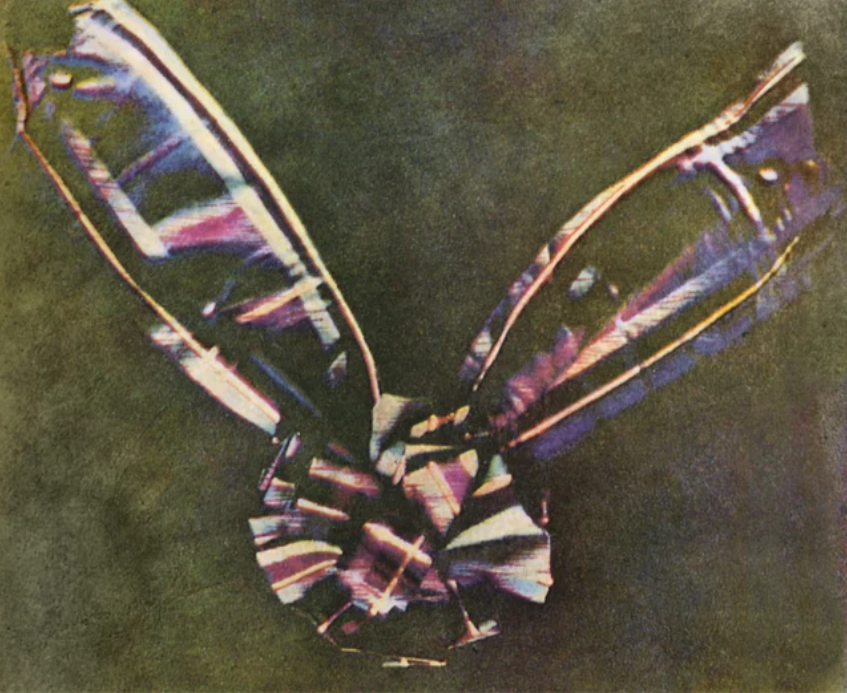
by the mathematical physicist, James Clerk Maxwell
It’s a colored ribbon. James took the first durable color photograph and was shown at a lecture in 1861. What would you have taken a picture of first if you were in Mr. Maxwell’s position? Why?
Image 2:
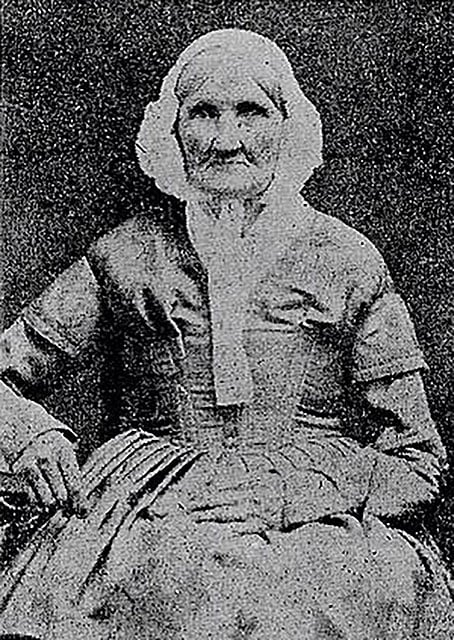
This is Hannah Stilley Gorby, she was born in 1746 and she is considered to be the earliest born ever to be captured in a surviving photo. A fun fact about her is that she was born eight years before King Louis XVI!
Image 3:
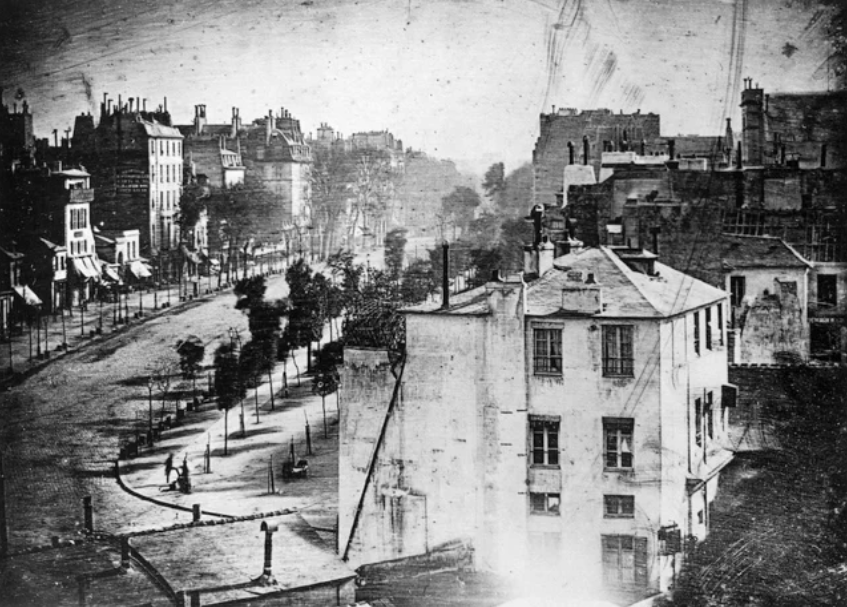
“The first photograph of a person”
This photo is by Louis Daguerre. The exposure lasted around seven minutes and was aimed at capturing the Boulevard du Temple, where you can see a man getting his shoes polished.
There are many other types of photographs that were taken during the beginning of photography; for example, self- portraits, ariel views, hoax’s, the sun, space, and news photos. To learn more about all of these types of photos, check out: https://petapixel.com/first-photos-photography-history/ (Please check out the website before hand if you are showing this to a class, there may be some content you do not want to show classrooms depending on age.)
These photos can be taught in cross-curricular activities, for example, social studies lessons (when these images were captured, what is going on in the world during these times?, who the people in the photos are, etc.), art lessons (teaching about how different photos are taken, making their own art projects based on it), and science lessons (teaching about how photographs work, the science behind them being made, etc.). This can be a fun way to introduce something that students may already know about/use and how teachers can dig deeper on the history and basics of to help connect students to something they may already be interested in.
For some more information on Photography in Canada, check out this link: https://www.aci-iac.ca/art-books/photography-in-canada-1839-1989/historical-overview/