Free Inquiry Post 7
Eras of life through photos
Before we start, let’s talk about the topics we have learned about! So far in this blog we have learned about, the “First 19 Rules” of photography and how they can be used to enhance our photography skills and learn about how using those rules changes how photographs can look. We have also looked at, why certain things were captured and who/what was captured in art and photographs, and eras and poetry related to photographs and art! We have discussed lots of topics and I have really enjoyed learning about everything and being able to see how they work succeed in photographs. I hope you all have learned as much as I have about photography and it’s importance to how we understand that world around us.
Today we are talking about different eras throughout time with photographs!
Photographs have been a way of documentation since cameras were created. Before photographs we used drawings and paintings to document journeys, people, and landscapes; but as we discussed earlier in this blog, those forms of art were normally reserved for the elites of society. So what did photographs bring in? They brought in the ability for anyone who had a camera to take photos of what they wanted. This takes us back the conversation of what will the future think of us based on our documentation strategies now? Will it be positive? Why or Why not?
Lets take a look now at the eras of life through photos, take a look at the pictures below:
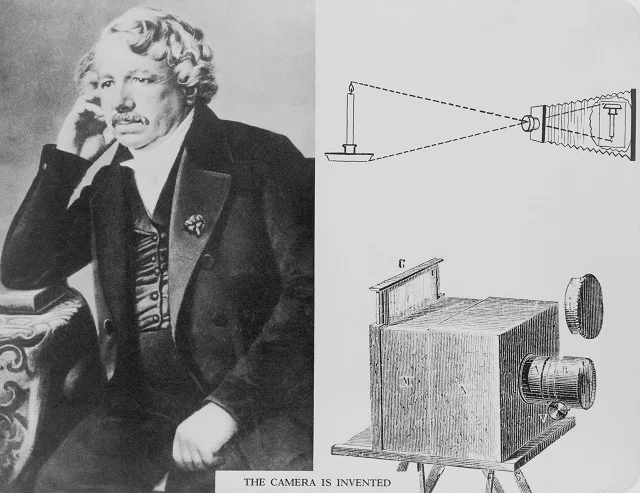
1837
Louis Daguerre’s first daguerreotype, an image that was fixed and did not fade and needed under thirty minutes of light exposure. This was a significant breakthrough on the history of photography timeline.
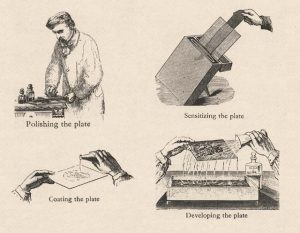
1851
Frederick Scott Archer invented the Collodion process so that images required only two or three seconds of light exposure.
1871
Richard Leach Maddox invented the gelatin dry plate silver bromide process, which means negatives no longer had to be developed immediately.
1888 Eastman patents Kodak roll-film camera.
1900 First mass-marketed camera, called the Brownie, goes on sale.
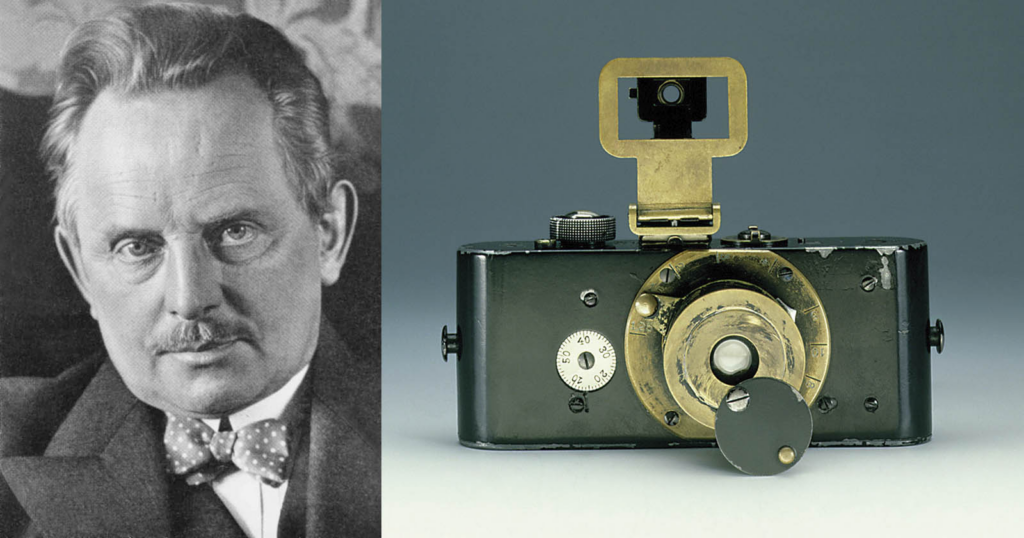
1913/1914 First 35mm still camera is developed by Oskar Barnack
1941 Eastman Kodak introduces “Kodacolor” negative film.
1942 Chester Carlson receives a patent for electric photography (xerography).
1948
Edwin Land launches and markets the Polaroid camera.
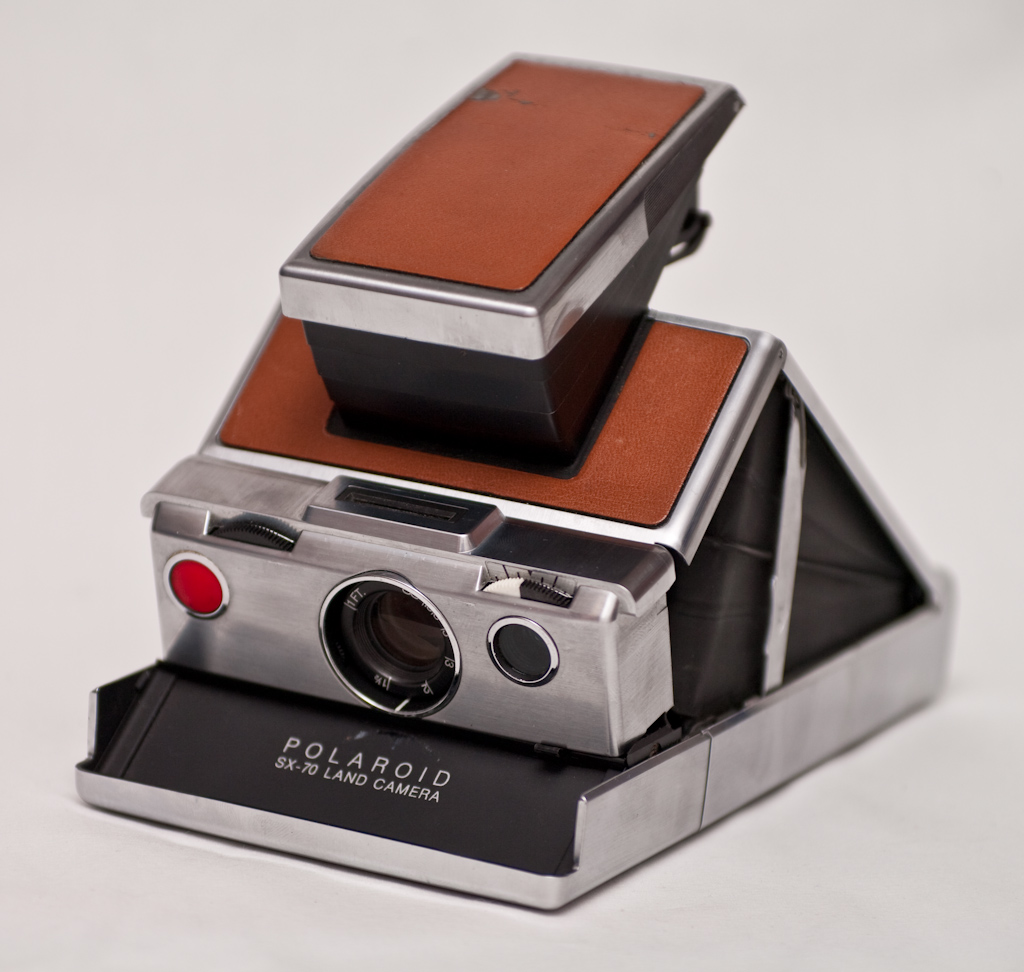
1963 Polaroid introduces the instant color film, a landmark moment on the history of photography timeline.
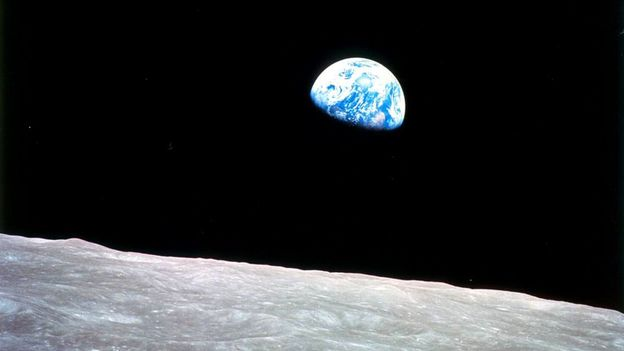
1968 Photograph of the Earth is taken from the moon! The photograph is called Earthrise, and it is considered one of the most influential environmental photographs ever taken!
1999 Kyocera Corporation introduces the “VP-210 VisualPhone”, the world’s first mobile phone with built-in camera for recording videos and still photos.
To learn more about the timeline check out: https://www.thoughtco.com/photography-timeline-1992306
And then we jump to now, it is really interesting to see the timeline of photography and how fast it developed. Could you imagine how much harder taking photos would be if we still had to take photos that took 8 hours to develop? How do you think that would effect how history would be written?
This activity makes students think about what they have now and how convenient it makes their lives; while also teaching them history lessons!